Families looking for toddler care in San Diego, Mission Valley, and Ramona often want more than supervision. They want a nurturing environment where children can develop communication, independence, and early learning skills.
Toddler care programs help children develop listening and following skills by providing structured routines, play-based activities, and daily interactions that encourage communication, independence, and problem-solving.
At Nese Kids Care, toddlers build important communication skills by participating in daily experiences that encourage attention, understanding, problem-solving, and independence. These early skills create a strong foundation for future learning, social interactions, and classroom readiness.
Learning to listen and follow directions is an important developmental milestone during the toddler years. While these skills may seem simple, they help children understand the world around them, communicate their needs, interact with others, and participate in daily activities. A nurturing toddler care environment provides opportunities for children to practice these abilities in ways that feel natural, engaging, and age-appropriate.
Why Listening Skills Matter During Toddler Development
Listening is more than simply hearing words. For toddlers, listening involves paying attention, understanding language, processing information, and responding appropriately. These skills develop gradually through repeated experiences with caregivers, educators, and other children.
During the toddler years, children are learning how language works. They begin connecting words with actions, recognizing familiar instructions, and understanding expectations during everyday routines. Simple moments, such as responding to their name, following a request to clean up toys, or participating in group activities, help strengthen communication skills.
At Nese Kids Care, toddlers are supported through meaningful interactions that encourage active listening. Through songs, stories, conversations, and guided play, children have opportunities to practice focusing their attention and expressing themselves.
A play-based curriculum allows learning to happen naturally. Instead of expecting toddlers to sit still and memorize information, educators create experiences where children can explore, ask questions, and engage with language through activities they enjoy.
How Toddler Care Programs Encourage Listening Skills
A consistent and supportive environment plays an important role in helping toddlers become better listeners. Children learn best when they feel comfortable, supported, and engaged.
Storytelling and Conversations Build Language Skills
Reading stories aloud and having conversations throughout the day expose toddlers to new words, ideas, and ways to communicate. Educators can encourage listening by asking questions, pointing out details in books, and giving children time to respond.
For example, asking a child what they see in a picture book encourages them to listen, process information, and share their thoughts. These small interactions help strengthen vocabulary and comprehension over time.
Songs and Movement Activities Support Attention
Songs, fingerplays, and movement activities are valuable tools for toddler development because they combine language with physical engagement. Children practice listening for familiar words, following patterns, and responding to cues.
Activities such as singing a cleanup song before transitioning to the next activity help toddlers understand routines while practicing listening skills in a fun way.
Daily Routines Create Opportunities for Practice
Toddlers benefit from predictable schedules because routines help them understand what comes next. When children experience familiar patterns throughout the day, they become more comfortable participating in activities and responding to directions.
A routine might include:
- Greeting time
- Group activities
- Meals and snacks
- Learning activities
- Outdoor play
- Rest periods
These consistent experiences allow toddlers to practice listening and following directions in a supportive environment.
Why Toddlers May Struggle With Listening and Following Directions
Toddlers are still developing important skills related to attention, communication, memory, and self-control. Because these abilities are still emerging, it is common for young children to need reminders, repetition, and support when learning how to listen and follow directions.
Parents may notice that their toddler becomes distracted during activities, needs instructions repeated, or has difficulty transitioning from one task to another. These behaviors are a normal part of early childhood development as children learn how to process information, manage emotions, and understand expectations.
A supportive toddler care environment helps children strengthen these skills through consistent routines, positive guidance, and opportunities to practice communication. Through daily activities such as group play, classroom routines, and guided learning experiences, toddlers can gradually build the confidence needed to listen, respond, and participate.
How Toddler Care Helps Children Build Independence
Many parents want their toddlers to become more independent while still receiving the support and guidance they need. A quality toddler care program encourages independence by allowing children to practice age-appropriate responsibilities in a safe and nurturing environment.
Simple activities such as cleaning up toys, choosing between activities, following classroom routines, and participating in daily tasks help toddlers develop confidence in their abilities. These experiences teach children that they can complete tasks, make choices, and contribute to their environment.
At Nese Kids Care, educators provide personalized support while encouraging toddlers to explore, communicate, and develop new skills at their own pace. Through play-based learning and meaningful daily experiences, children build independence while feeling supported throughout their early learning journey.
What Parents Should Look for in a Toddler Care Program
Choosing the right toddler care program is an important decision for families. Parents should look for a program that provides more than supervision by creating opportunities for learning, social interaction, communication, and emotional development.
Important factors to consider include:
- Caring and responsive educators who understand toddler development
- Age-appropriate activities that encourage learning through play
- Consistent routines that help children feel comfortable and secure
- Opportunities for communication, creativity, and exploration
- A family-focused approach that keeps parents involved
At Nese Kids Care, toddlers benefit from a nurturing environment designed around their individual needs. Guided by the NESE philosophy of Nurturing, Education, Support, and Enrichment, the program helps children build foundational skills while creating a positive early learning experience for families.
Creating a Nurturing Environment for Early Learning
Children are more likely to develop new skills when they feel safe, valued, and understood. A nurturing toddler care environment supports emotional development while encouraging curiosity and exploration.
At Nese Kids Care, creating a welcoming environment helps toddlers feel comfortable participating in activities, communicating with others, and trying new experiences.
A supportive environment includes:
- Consistent daily routines
- Caring and responsive educators
- Age-appropriate learning activities
- Opportunities for social interaction
- Safe spaces for exploration
When toddlers feel secure, they are better able to focus on learning and developing new skills.
Activities That Strengthen Listening and Following Skills
Many activities that toddlers enjoy also support important developmental skills. Play provides a natural way for children to practice listening, problem-solving, and communication.
Interactive Reading
Reading together encourages toddlers to listen, recognize words, and participate in conversations. Educators can ask simple questions, encourage children to identify pictures, and invite them to share ideas.
Following Movement Games
Games that involve listening and responding help toddlers practice attention and self-control. Simple activities that involve copying movements, responding to sounds, or following directions encourage children to connect language with actions.
Hands-On Learning Activities
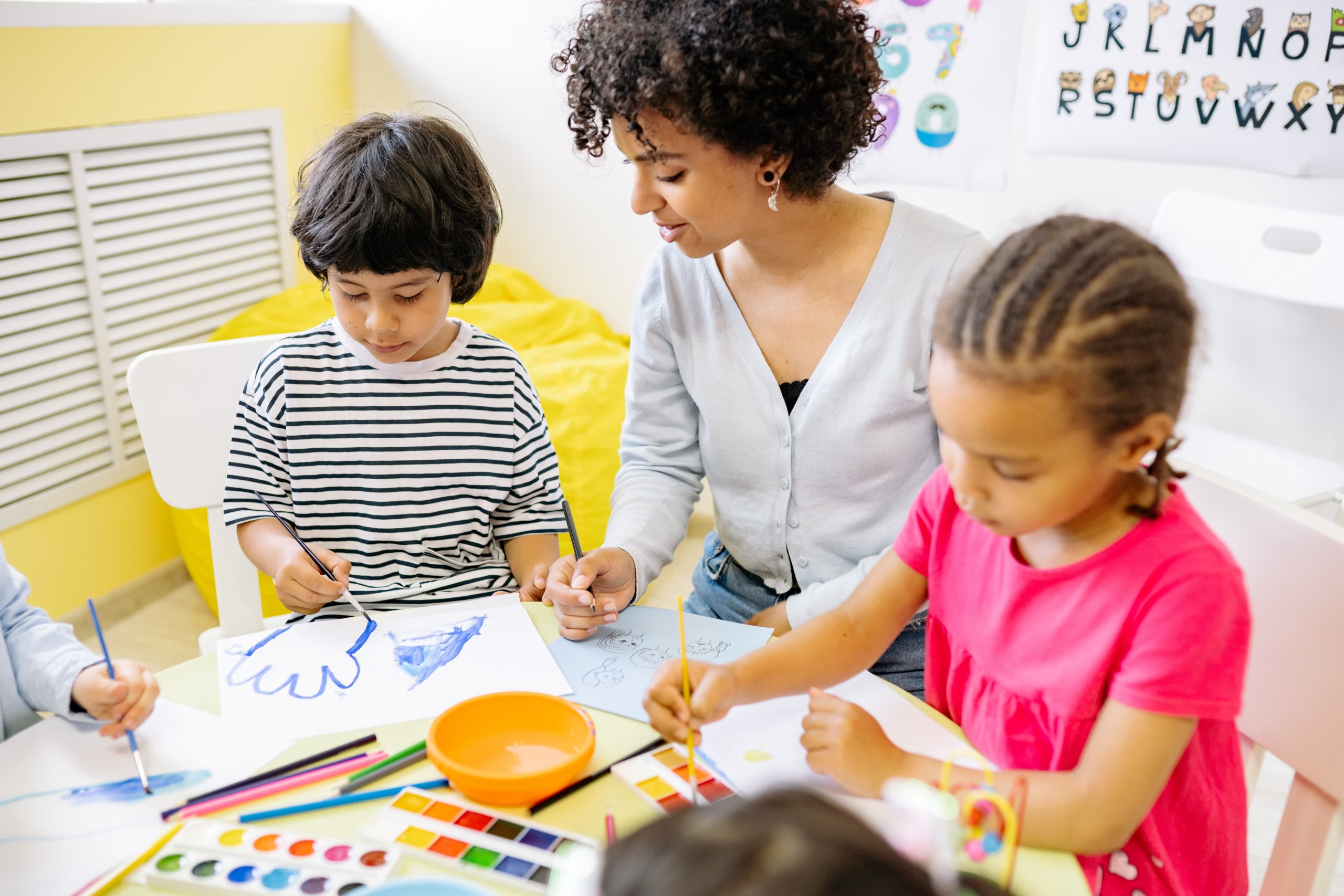
Arts, crafts, sensory activities, and building exercises encourage toddlers to listen carefully and follow steps. These activities also support fine motor skills, creativity, and problem-solving.
For example, creating a simple craft project allows children to practice completing steps while receiving guidance and encouragement from educators.
Supporting Each Child’s Individual Development
Every child develops at their own pace. Some toddlers may quickly begin following multi-step directions, while others may need more time and support with certain skills.
Quality toddler care programs recognize these individual differences and provide opportunities for children to grow based on their unique needs.
At Nese Kids Care, educators observe children during daily activities to understand their strengths, interests, and areas where additional support may be helpful. This allows learning experiences to be adjusted in ways that support each child’s development.
Working together with families also helps create consistency between home and childcare environments. Parents and caregivers can support listening skills by using similar strategies, such as giving clear directions, maintaining routines, and encouraging communication.
The Long-Term Benefits of Strong Listening Skills
Listening and following directions support children well beyond the toddler years. As children enter preschool and kindergarten, these abilities help them participate in classroom activities, interact with teachers and peers, and approach new learning experiences with confidence.
Strong listening skills also support social development. Children who learn to pay attention to others can better understand conversations, recognize emotions, and build positive relationships.
By developing these foundational skills early, toddlers gain tools that support communication, independence, and lifelong learning.
Helping Toddlers Build Confidence Through Early Learning
Toddler care is about more than supervision. A quality early learning program provides a nurturing environment where children can learn, explore, communicate, and build important developmental skills.
At Nese Kids Care, our play-based approach and caring support help toddlers develop skills like listening, following directions, problem-solving, communication, and independence. Through engaging activities and personalized attention, children learn and grow at their own pace.
For families seeking toddler care in San Diego, Mission Valley, and Ramona, Nese Kids Care offers a supportive environment where children can strengthen social, emotional, and early learning skills.
Schedule a tour today to explore our toddler care programs and learn how Nese Kids Care helps toddlers build confidence, independence, and a strong foundation for future learning.