Choosing a preschool is one of the most important decisions parents make during their child’s early years. You want more than basic childcare. You want a safe, nurturing environment where your child is supported, encouraged, and excited to learn. You want a safe, nurturing environment where caring educators support learning, emotional growth, independence, and confidence.
Structured preschool programs in Ramona give children opportunities to learn through predictable routines, purposeful activities, creative exploration, and meaningful interactions with others. Rather than separating learning from play, a quality program uses both to help children build skills naturally.
At Nese Kids Care, we believe early education should nurture the whole child. Guided by our NESE philosophy of Nurturing, Education, Support, and Enrichment, we strive to create an environment where every child feels valued, encouraged, and excited to learn.
What Is a Structured Preschool Program?
A structured preschool program follows a thoughtfully planned daily routine while leaving room for curiosity, creativity, and child-led exploration. Children may participate in story time, group activities, art, outdoor play, meals, rest periods, and age-appropriate learning experiences throughout the day.
Structure does not mean that every moment is rigid or overly academic. Instead, it provides a dependable framework that helps children understand what to expect. Within that framework, they can explore ideas, practice new abilities, interact with classmates, and develop at their own pace.
This balance is especially valuable during the preschool years because young children benefit from both consistency and freedom. Predictable routines help them feel secure, while hands-on activities keep them engaged and encourage natural discovery.
Structured Preschool Programs Support Early Learning
Preschool introduces children to foundational concepts that can support later academic development. These concepts are most effective when they are presented through enjoyable, age-appropriate experiences rather than pressure or memorization.
During story time, for example, children may hear unfamiliar words, follow a sequence of events, answer questions, or predict what will happen next. These simple interactions help strengthen vocabulary, listening comprehension, memory, and communication.
Early math skills can also be integrated into everyday activities. Children might:
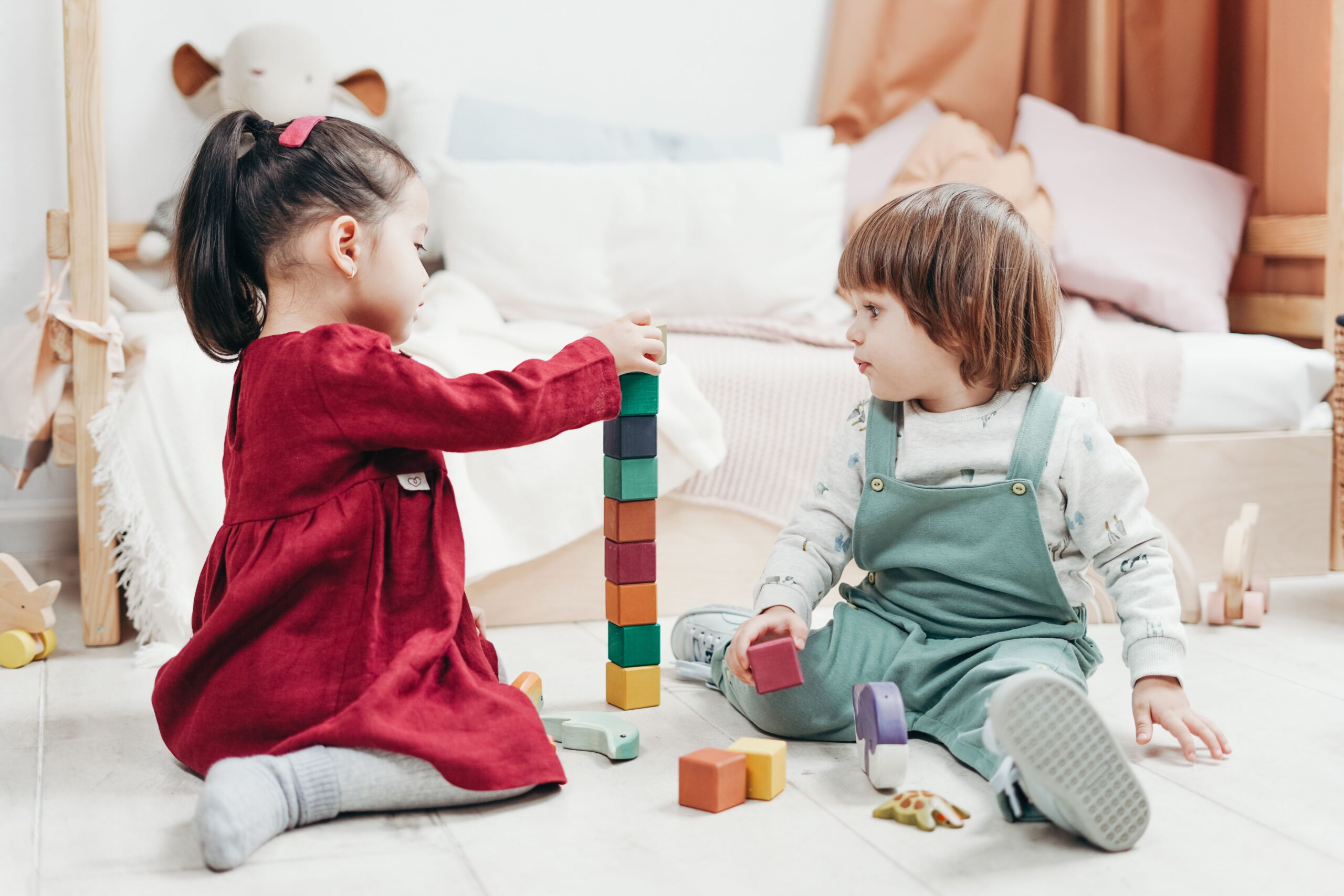
- Count blocks while building a tower
- Sort objects by shape, size, or color
- Recognize simple patterns
- Compare groups of items
- Practice number recognition through songs and games
Because these lessons are connected to play, children can begin developing early literacy and math skills in ways that feel natural and enjoyable.
Purposeful Play Encourages Problem-Solving
Play is not separate from learning during early childhood. It is one of the primary ways young children explore ideas and understand the world around them.
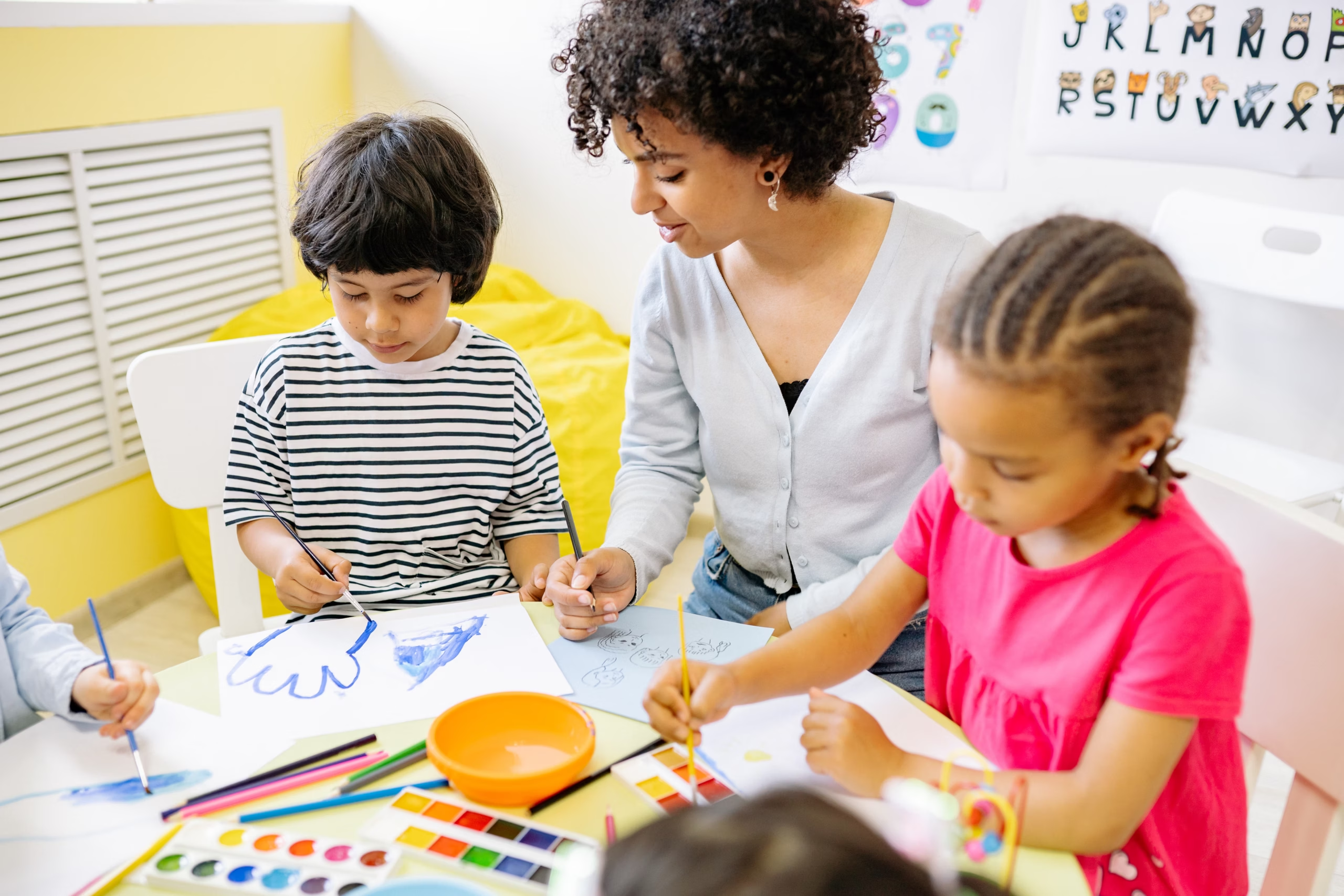
When children build with blocks, complete puzzles, experiment with art materials, or participate in imaginative play, they make decisions and solve problems. They learn to test ideas, adjust their approach, and try again when something does not work the first time.
A structured preschool environment gives children access to activities that challenge them without creating unnecessary pressure. Educators can ask questions, offer encouragement, and provide support while allowing children to discover solutions for themselves.
These experiences can help strengthen the following:
- Critical thinking
- Creativity
- Patience
- Curiosity
- Flexible thinking
- Persistence
Learning to work through small challenges can also help children become more confident when they encounter unfamiliar tasks.
Predictable Routines Create a Sense of Security
Young children often feel more comfortable when they know what will happen next. A consistent schedule helps make the preschool day feel familiar and manageable.
Daily routines may include arrival, group learning, snacks, outdoor play, quiet activities, meals, and rest. As children become familiar with this sequence, they may transition more comfortably between activities and participate with greater confidence.
Predictability can be especially helpful for children who are attending preschool for the first time. Separating from a parent or caregiver can initially feel difficult. A welcoming routine and supportive educators can help children adjust and begin viewing preschool as a familiar, positive place.
Consistent routines also introduce children to practical habits, such as washing their hands, putting away materials, listening during group activities, and preparing for transitions.
Preschool Helps Children Develop Independence
Independence develops gradually through everyday experiences. A structured program gives children regular opportunities to complete manageable tasks and take responsibility for age-appropriate choices.
Children may practice the following:
- Putting away toys and classroom materials
- Washing their hands before meals
- Choosing between activities
- Following simple instructions
- Carrying personal belongings
- Asking for help when needed
- Completing a task before moving to another activity
These may seem like small accomplishments, but they can make a meaningful difference in how children view their abilities. Each successful experience shows a child that they are capable of contributing, solving problems, and participating in a group.
Educators can support this process by offering guidance without immediately completing every task for the child. This balance helps children develop confidence while knowing that help is available.
Social Interaction Builds Communication Skills
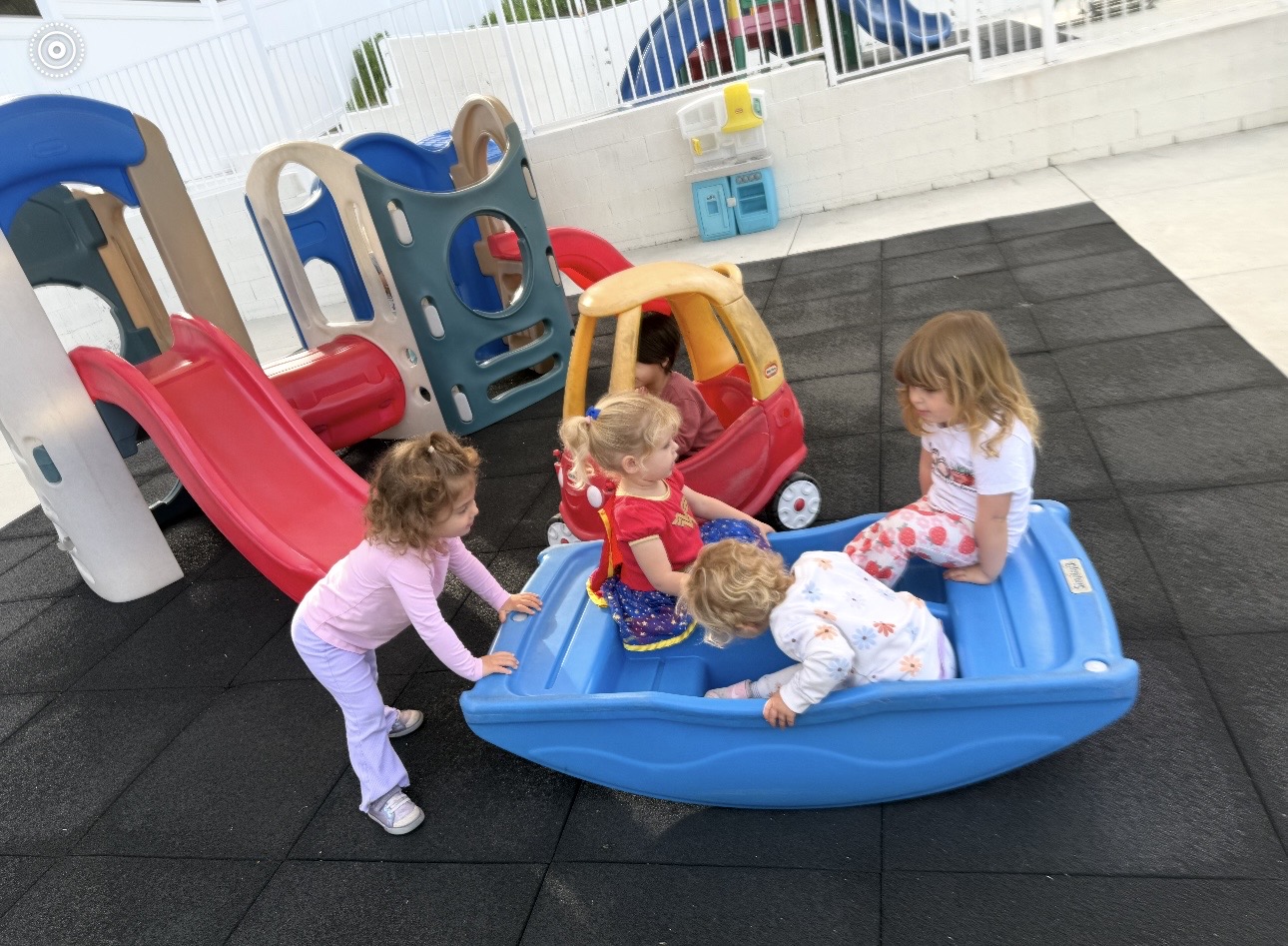
Preschool gives children consistent opportunities to interact with peers. Through group activities and shared play, children begin learning how their words and actions affect others.
They practice important social abilities such as taking turns, sharing materials, listening, joining an activity, and working toward a shared goal. They may also encounter small disagreements that require patience and communication.
With thoughtful guidance from educators, these interactions become valuable learning experiences. Children can learn how to express what they need, listen to another person’s perspective, and find an appropriate solution.
These social and communication skills support positive relationships both inside and outside the classroom. They can also help children feel more prepared to participate in larger classroom environments when they begin elementary school.
Emotional Development Is Part of School Readiness
Young children experience strong emotions but may not yet have the vocabulary or strategies to communicate them clearly. Preschool can give them a supportive place to recognize, name, and manage those feelings.
Educators may help children identify when they feel frustrated, sad, excited, nervous, or angry. Children can then begin learning appropriate ways to respond, such as using words, asking for assistance, taking a calming breath, or moving to a quiet activity.
Developing emotional awareness can help children:
- Recover from disappointment
- Handle transitions more comfortably
- Communicate their needs
- Show empathy toward classmates
- Manage frustration during challenging activities
- Build positive relationships
Academic knowledge is only one part of kindergarten preparation. Children also need to participate in a group, follow routines, communicate with adults, and manage everyday emotions. A whole-child preschool program supports all of these areas.
A Quality Preschool Supports Busy Families
The benefits of structured preschool extend beyond the classroom. Reliable childcare can also give parents greater stability and peace of mind as they balance work, family commitments, and daily responsibilities.
Parents want to know that their children are safe, engaged, and cared for by people who understand their needs. Clear communication plays an important role in building that trust.
Nese Kids Care uses modern communication tools to help families remain connected with their child’s day. Regular updates and photos can provide reassurance while giving parents useful insight into meals, rest, activities, and developmental progress.
Family-focused services and thoughtful program options may also help make childcare more manageable for working parents. When a preschool understands the realities of family schedules, it becomes more than a childcare provider. It becomes a dependable partner that helps families manage childcare, work, and daily routines with greater confidence.
What Parents Should Look for in a Ramona Preschool
When comparing structured preschool programs in Ramona, consider how each program supports your child as an individual. A tour can help you evaluate the environment, meet the educators, and ask questions about the daily experience.
Important factors to consider include:
A Safe and Welcoming Environment
Classrooms should appear clean, organized, secure, and appropriate for the children using them. The overall environment should feel warm and inviting rather than overwhelming.
Caring and Engaged Educators
Observe how educators interact with children. Look for patient communication, attentive supervision, encouragement, and genuine warmth.
Age-Appropriate Learning
A strong curriculum should balance guided activities with play, movement, creativity, social interaction, and rest. Children should be supported according to their developmental needs, not pressured to meet unrealistic expectations.
Consistent Family Communication
Ask how the preschool shares updates, photos, developmental information, and important announcements. Transparent communication helps families remain active participants in their child’s care.
Opportunities for Individual Growth
Every child develops differently. Quality preschool programs recognize these differences and provide appropriate encouragement, guidance, and enrichment.
A Strong Sense of Community
A family-centered preschool creates opportunities for parents, children, educators, and caregivers to build meaningful relationships. This sense of connection can help children feel that their school is a safe and familiar community.
Give Your Child a Strong Start at Nese Kids Care
The early years provide an important foundation for future learning, relationships, and personal growth. Structured preschool programs in Ramona help children build that foundation through predictable routines, purposeful play, social interaction, and compassionate guidance.
At Nese Kids Care, we provide early education shaped by Nurturing, Education, Support, and Enrichment. Our goal is to help children feel safe, confident, curious, and celebrated while giving families the communication and support they need.
Choosing the right preschool begins with seeing the environment for yourself. Contact Nese Kids Care to learn more about our preschool program, discuss current enrollment availability, and schedule a tour.