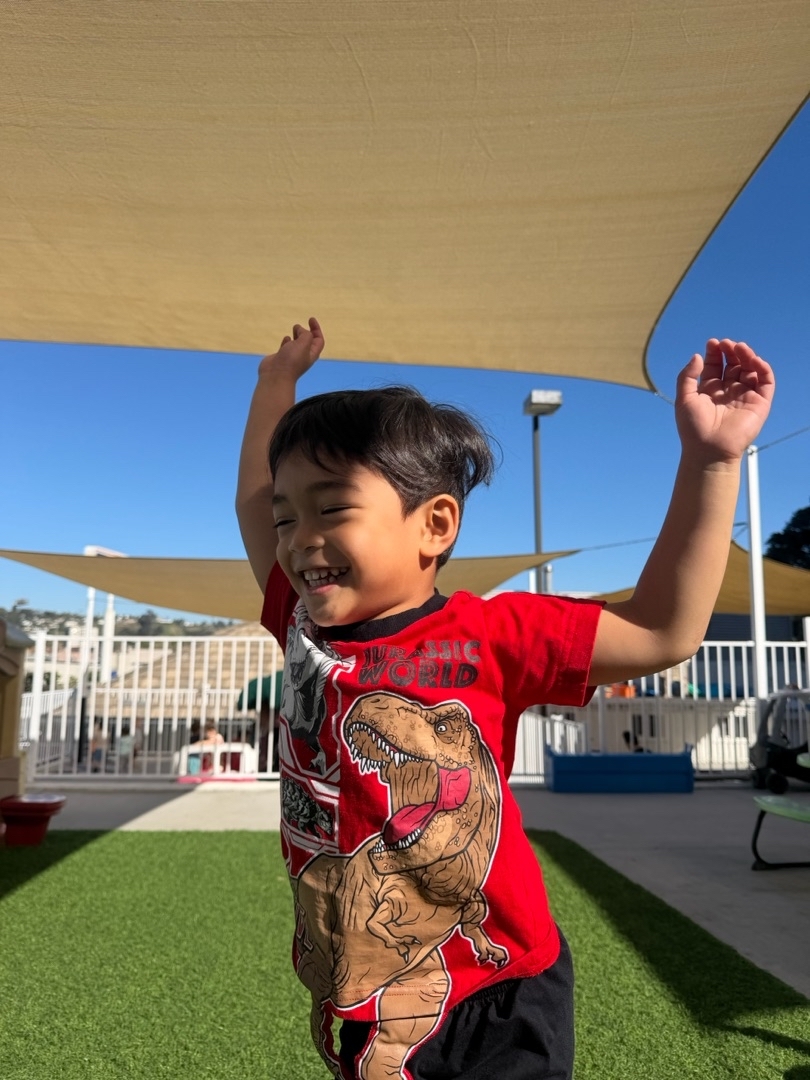
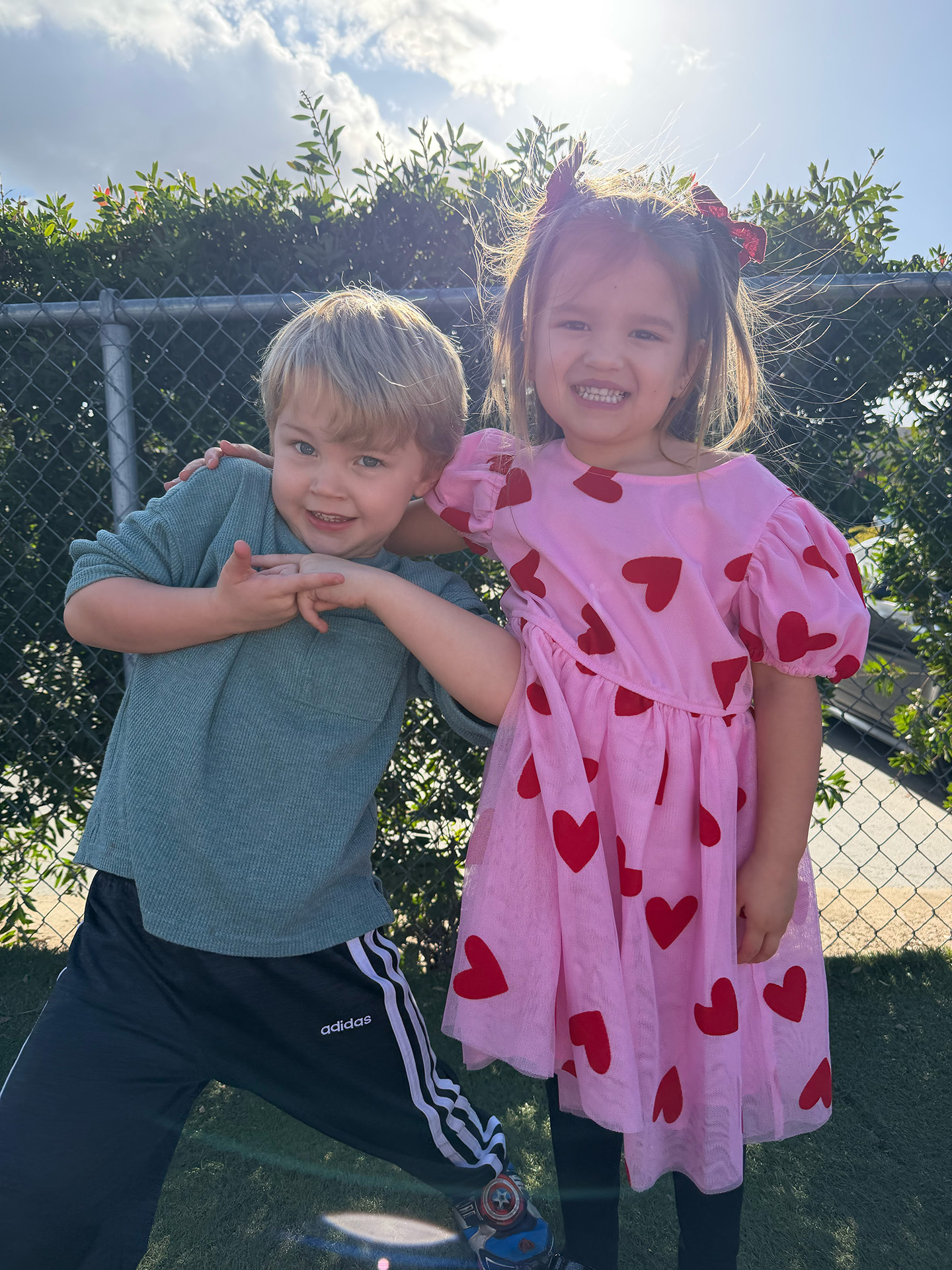
Those first preschool years — age 3 to 5 — are full of wonder: imaginative play becomes storytelling, first friendships form on the playground, and small daily wins build confidence and independence. For many families, the right preschool program can turn those everyday moments into strong foundations for learning. A structured environment balanced with hands-on exploration supports children’s social, emotional, and cognitive growth during this crucial time.
Why a structured preschool program matters
A well-designed preschool routine gives young children predictable rhythms that make them feel safe and capable. Predictability reduces anxiety, helps children transition between activities, and builds self-regulation skills. In the context of early childhood education, structure doesn’t mean rigid schedules — it means thoughtful organization of the day so kids get a mix of active play, quiet time, creative projects, and guided learning.
6 Key elements of a high-quality preschool program
- Developmentally appropriate routines: Look for programs that use a preschool routine tailored to 3–5 year olds — short activity blocks, frequent transitions, and moments for choice so children remain engaged without becoming overwhelmed.
- Play-based learning with intentional goals: The best early childhood education blends free play and teacher-led activities. Through play, children develop language, problem-solving, and fine motor skills while teachers scaffold learning toward kindergarten readiness.
- Warm, responsive teachers: Attentive adults who observe, guide, and name emotions help children build social skills and resilience. Low teacher-to-child ratios mean more individualized attention.
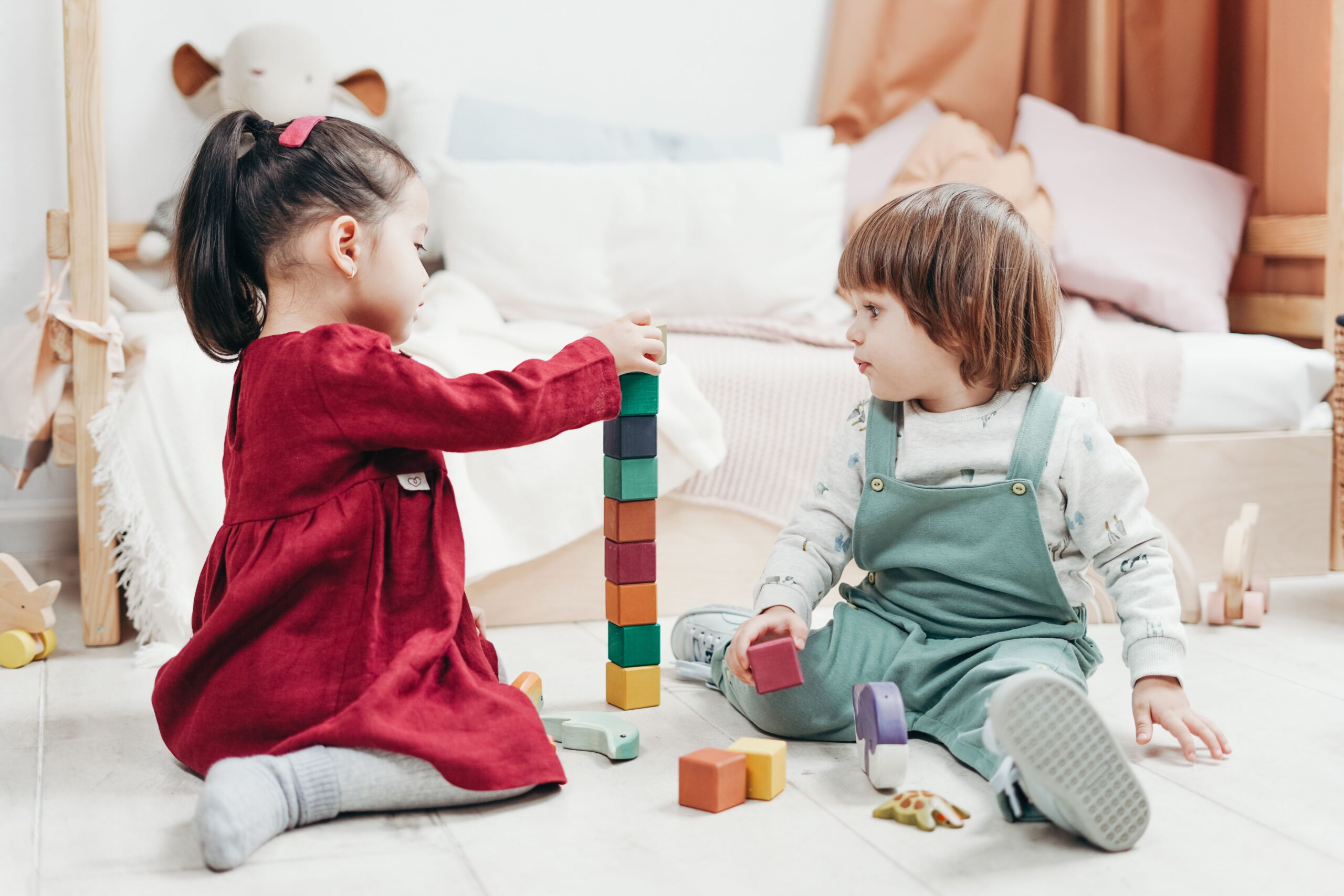
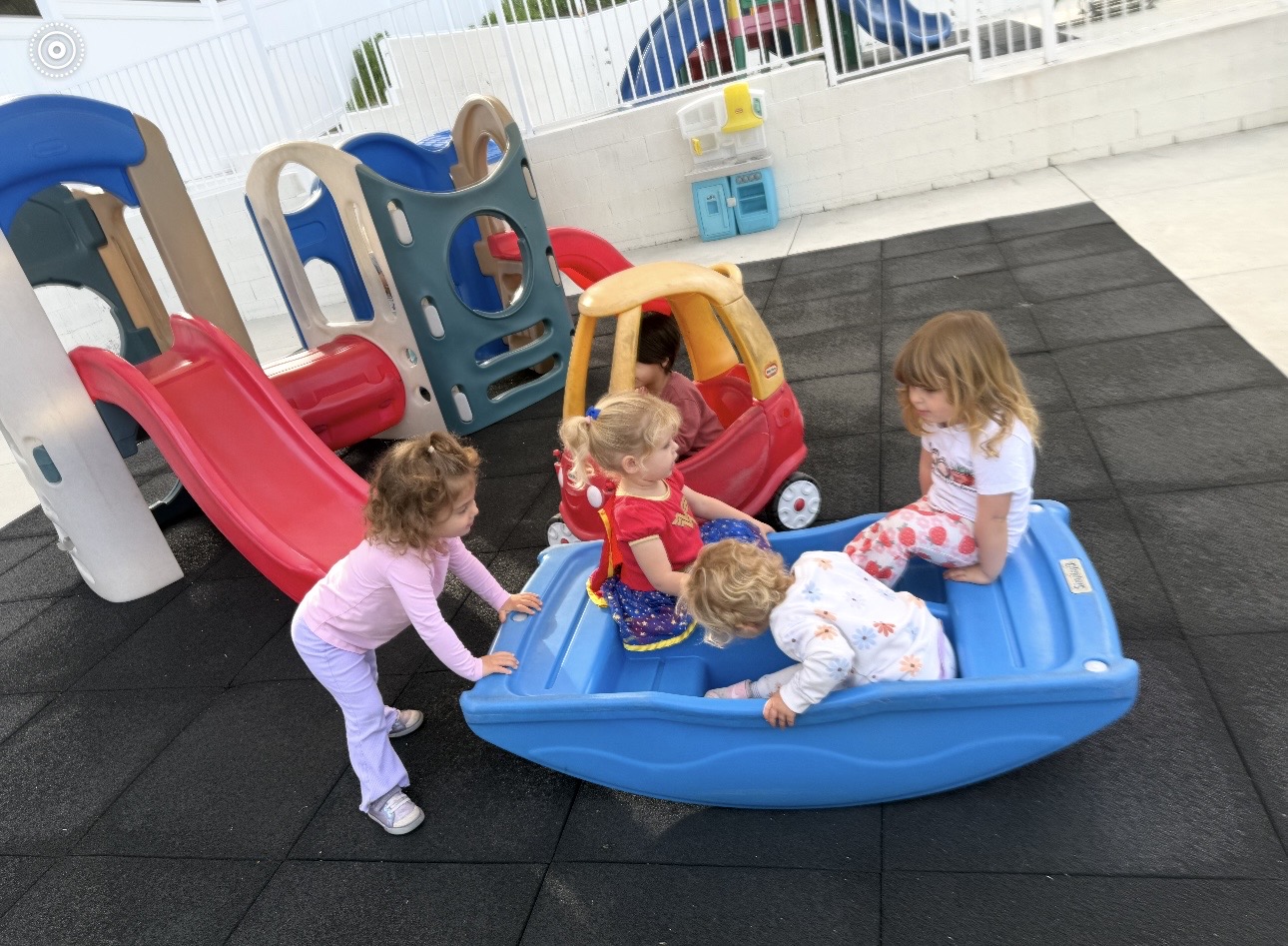
- Hands-on, sensory-rich materials: Quality preschools offer manipulatives, art materials, blocks, books, and outdoor spaces. These resources support creativity and exploration while reinforcing early math, literacy, and science concepts.
- Social and emotional learning: Cooperative games, sharing activities, and group discussions teach empathy, conflict resolution, and communication — essential for success in school and life.
- Family partnership and communication: Strong programs keep families informed and involved with regular updates, conferences, and practical tips to continue learning at home.
Practical tips for parents choosing a preschool
- Observe a day in action: Ask to see the typical preschool routine so you can notice transitions, teacher interactions, and how children respond to structure.
- Ask about curriculum and assessment: Find out how the school supports kindergarten readiness through goals for language, early literacy, math awareness, and self-help skills.
- Check licensing and training: Confirm teachers are trained in early childhood education and that the center meets local safety and licensing standards.
- Look for flexibility and compassion: A great program adapts routines for individual needs and supports children during big feelings or changes.
- Trust your instincts: Warmth, cleanliness, and a welcoming atmosphere tell you a lot about how children will feel there.
Nese Kids Care — nurturing preschool in Mission Valley, San Diego
If you’re searching for a preschool program that combines a thoughtful preschool routine with hands-on learning, consider Nese Kids Care in Mission Valley, San Diego. Nese Kids Care offers nurturing preschool programs designed to prepare children for kindergarten through creative projects, social development, and guided exploration. Their experienced staff focus on building confidence and curiosity in a secure, family-oriented setting.
Ready to see how a structured environment can benefit your child? Schedule a tour or learn more about Nese Kids Care to discover a preschool program that supports growth, play, and readiness for kindergarten.