The preschool years are a magical time — full of imagination, first friendships, and growing independence. For children ages 3–5, a thoughtfully designed preschool schedule supports curiosity while building the skills they need for kindergarten. Parents looking for the right preschool program want reassurance that daily routines balance play, learning, and rest in a nurturing environment. Below is a practical guide to what a high-quality preschool schedule looks like and what to look for when choosing a preschool program.
Why a consistent preschool schedule matters
Young children thrive on predictability. A consistent preschool schedule helps them feel safe, develop self-regulation, and understand classroom expectations. It also creates natural opportunities for early learning: language development, social skills, fine motor practice, and early math and science concepts all fit into a predictable day.
Elements of an ideal daily routine (ages 3–5)
- Morning welcome & free play (15–30 minutes): A gentle arrival period lets children separate from caregivers, build social connections, and choose activities that spark interest. Free choice supports independence and creativity.
- Circle time & morning meeting (10–20 minutes): Short group gatherings introduce the day’s theme, songs, calendar, weather, and a quick literacy or math activity. This supports listening skills and group participation.
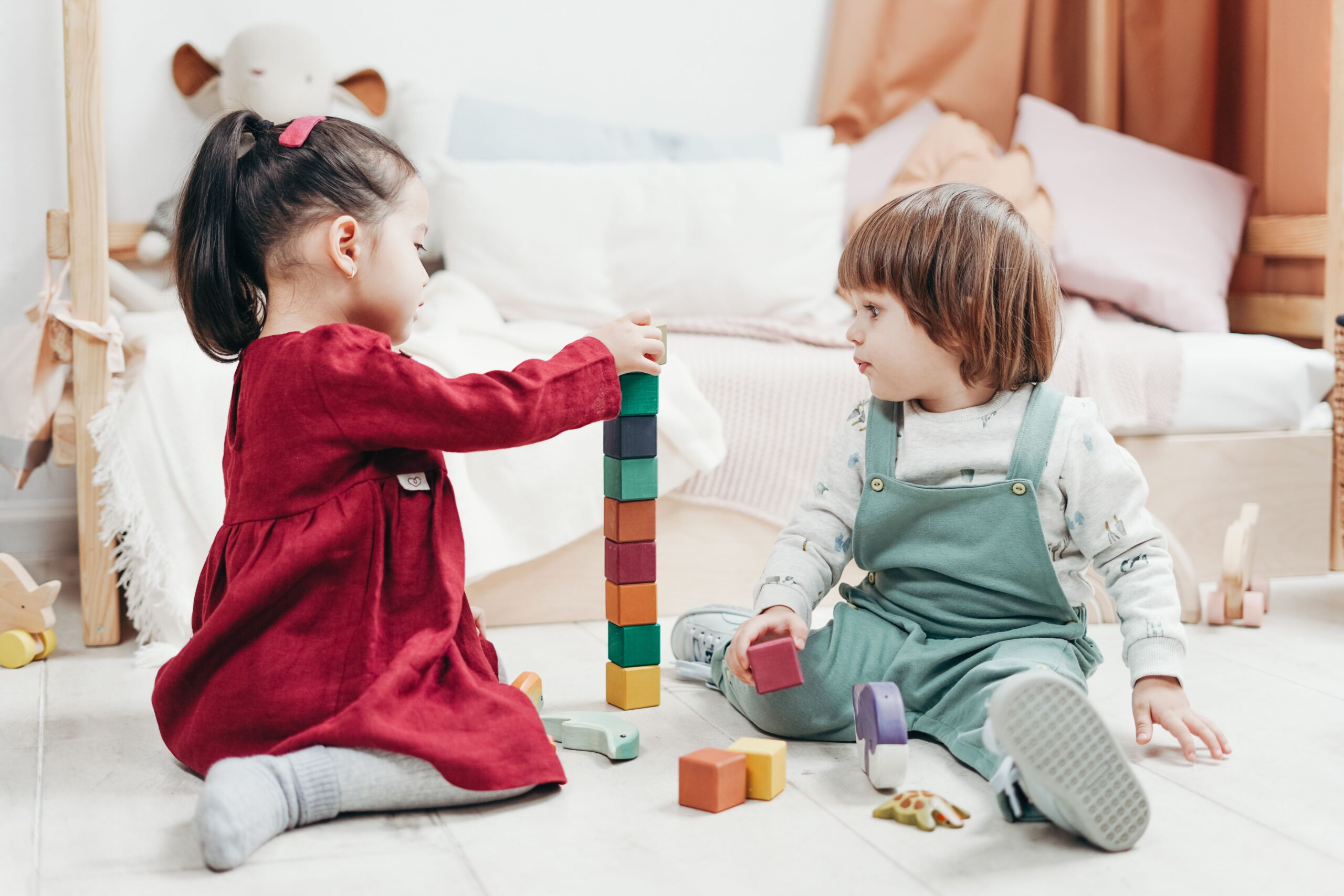
- Small-group, hands-on learning (20–30 minutes): Rotating centers — art, sensory tables, block building, dramatic play — allow teachers to deliver targeted early learning goals while children explore through play.
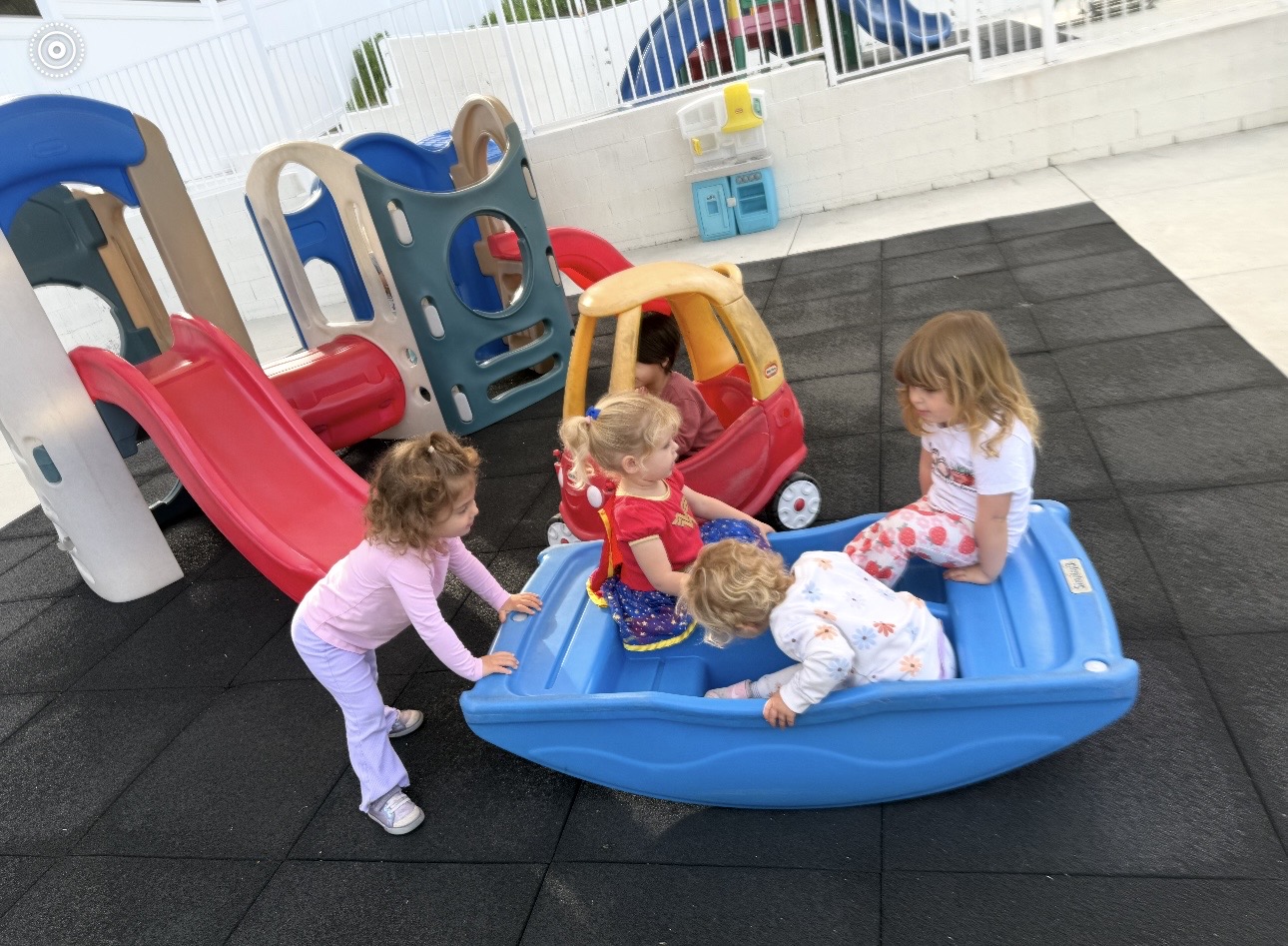
- Snack and outdoor play (30–45 minutes): Nutritious snacks and active outdoor time are essential. Outdoor play promotes gross motor skills, risk-taking in a safe way, and social problem-solving.
- Teacher-led lessons or project time (20–30 minutes): Developmentally appropriate activities focus on vocabulary, early numeracy, science exploration, or pre-writing skills. Lessons are short, engaging, and play-based.
- Lunch and quiet time (45–60 minutes): For 3–5 year olds, rest or quiet activities after lunch help restore energy and support emotional regulation.
- Afternoon centers & music/movement (30–45 minutes): Creative arts, music, dance, and cooperative games reinforce learning in joyful ways.
- Closing circle & pickup routines (10–15 minutes): Reflection, story time, and sharing help children transition home with a sense of closure.
What makes a great preschool program
- Qualified, caring teachers who understand developmental milestones and use observation to guide instruction.
- A play-based curriculum that intentionally supports early learning goals while honoring child-led exploration.
- A balanced preschool schedule with rhythm and flexibility — routines matter, but teachers should adapt to children’s needs that day.
- Safe, engaging indoor and outdoor environments with age-appropriate materials.
- Family partnership, clear communication, and a community feel that connects classrooms to home.
Finding quality preschool in Mission Valley / San Diego
If you’re searching for a preschool program that prioritizes hands-on learning, creativity, and social development, look for centers that focus on the whole child. Nese Kids Care in Mission Valley, San Diego offers nurturing preschool programs designed to prepare children for kindergarten through a well-rounded, play-based preschool schedule tailored to ages 3–5.
Ready to see a great preschool schedule in action? Schedule a tour or learn more about Nese Kids Care to discover how their preschool program supports early learning, creativity, and confident young learners.