The toddler years — roughly ages 1–3 — are a whirlwind of curiosity, rapid growth, and the first real shows of independence. Parents watch as little ones learn to say new words, take their first wobbly steps, and insist on doing things “all by myself.” High-quality toddler care supports these milestones safely and intentionally, turning everyday moments into opportunities for learning and confidence-building.
What great toddler care looks like
1. Predictable routines with flexibility
Toddlers thrive on routine. Predictable mealtimes, naps, and simple classroom transitions give children a sense of security that makes them more willing to explore. Great toddler programs use routines as a scaffold — consistent yet flexible enough to honor each child’s needs and moods.
2. Warm, responsive caregivers
Secure attachments form when caregivers respond to a toddler’s needs with warmth and consistency. Providers who tune into each child’s cues help regulate emotions, reduce anxiety at drop-off, and model calm problem-solving — foundations for independence.
3. Play-based learning that encourages choice
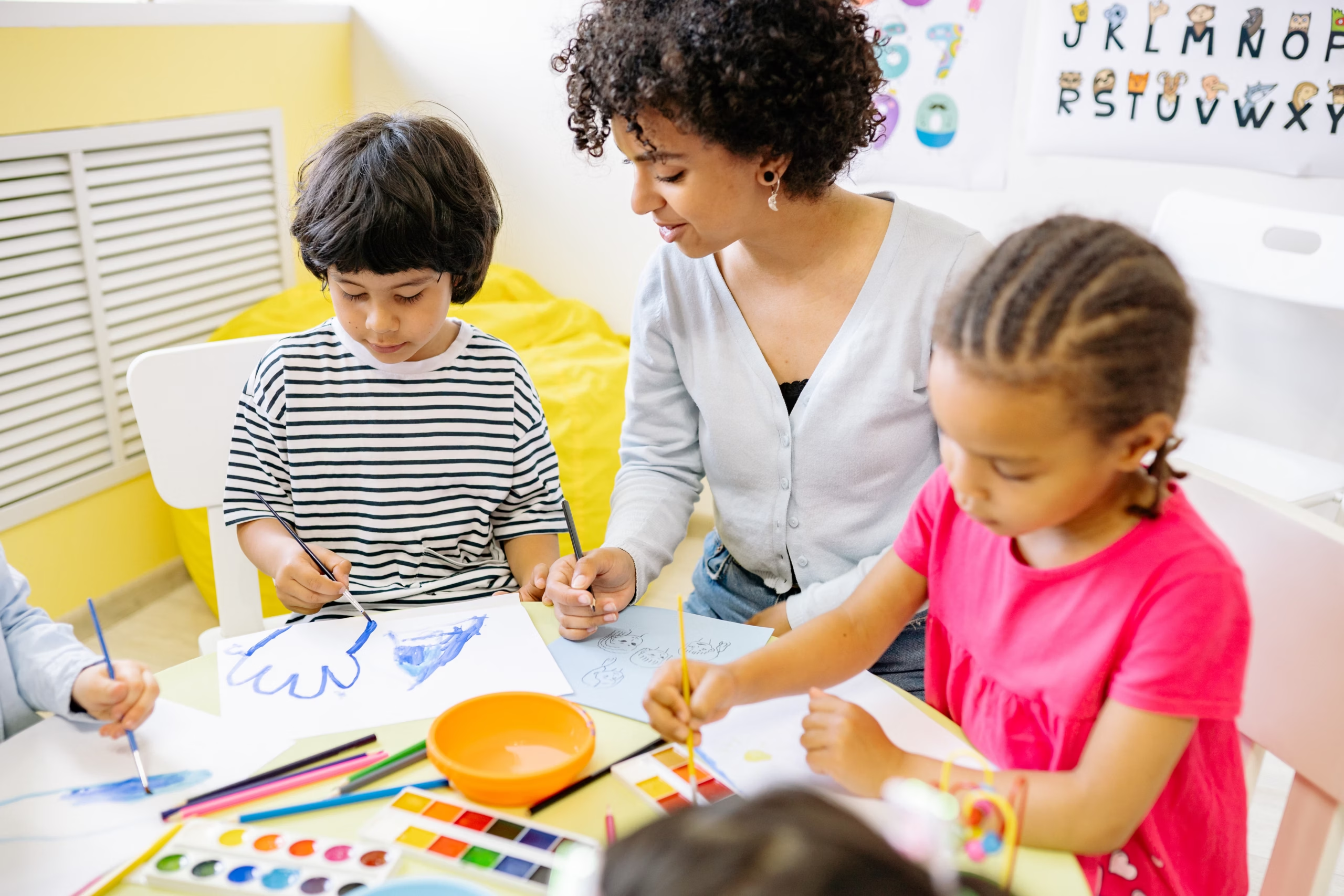
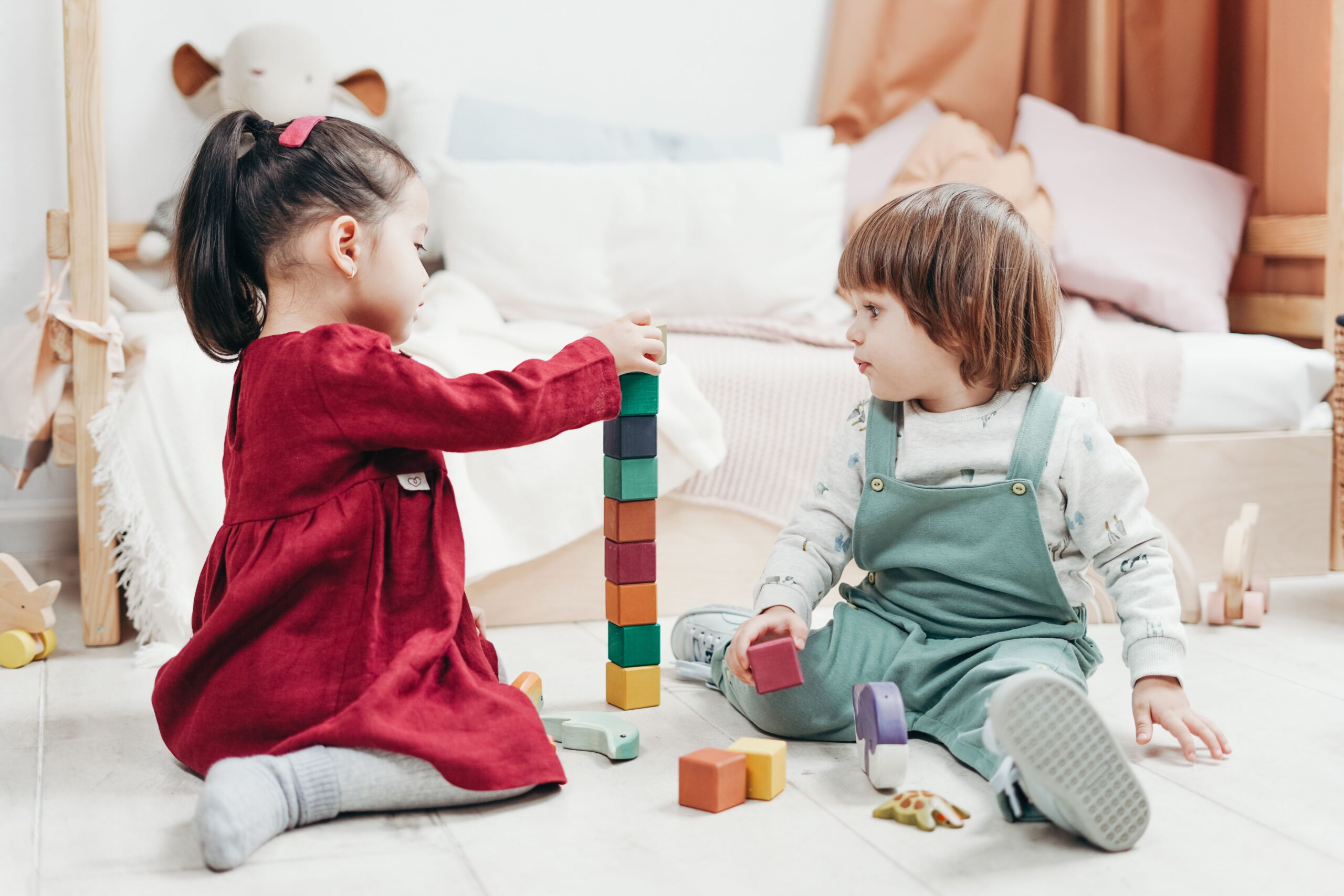
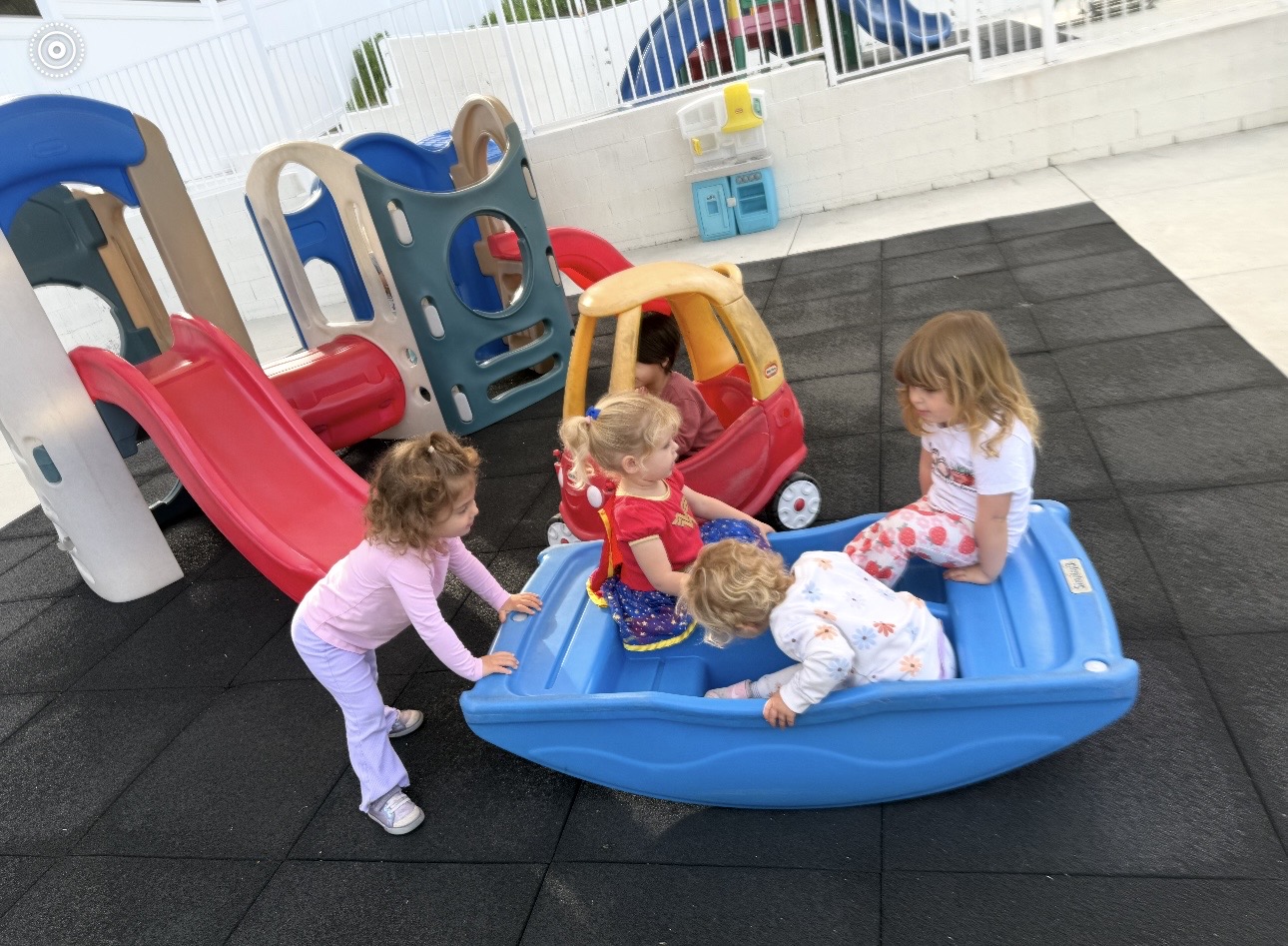
Play is how toddlers practice new skills. Quality toddler care emphasizes play-based learning: sensory experiences, open-ended toys, and guided activities that invite toddlers to make choices, try tasks independently, and celebrate small successes.
4. Developmentally appropriate expectations
Understanding toddler development and toddler milestones is essential. Caregivers who know which skills are age-appropriate can set realistic goals — for example, encouraging self-feeding with easy utensils, offering simple two-step directions, or supporting early potty learning when ready.
5. Focus on social skills and emotional literacy
Toddlers are learning to share, take turns, and express feelings. Programs that include small-group activities, story time about emotions, and adult coaching for conflict resolution help kids build social confidence and empathy.
6. Safe, stimulating environment
A safe space allows toddlers to explore freely. Childproofed classrooms, accessible materials, and outdoor play areas let little ones practice gross motor skills and independence without undue risk.
Practical tips for parents evaluating toddler care
- Observe drop-off routines: Do caregivers greet children warmly and follow a consistent handoff?
- Ask about ratios and training: Lower child-to-caregiver ratios and staff trained in early childhood development mean more individualized support.
- Look for communication practices: Daily updates and progress notes help you know how your toddler is developing and which toddler milestones they’re reaching.
- Tour the classroom during active play: Notice whether materials are reachable and whether there are areas for quiet time and sensory play.
Why it matters: confidence that lasts
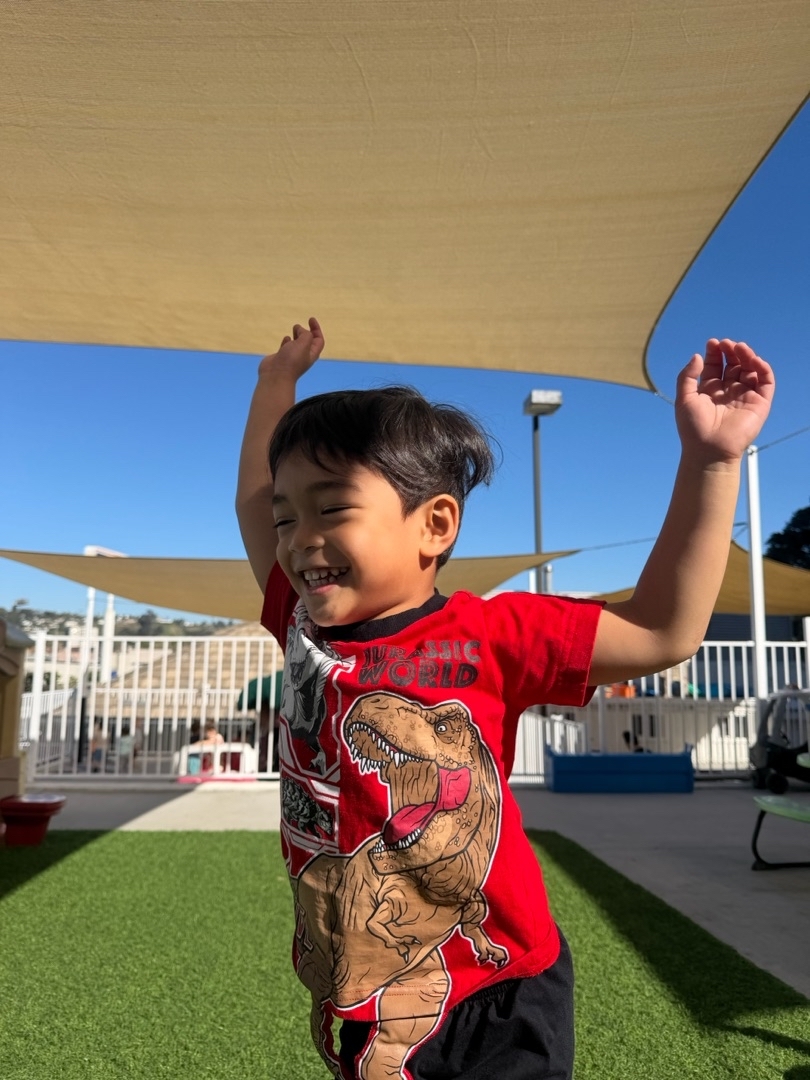
When toddlers are supported in a nurturing program, they gain practical skills — dressing, feeding, communicating — and also internal strengths: curiosity, resilience, and confidence. These early experiences shape how children approach challenges for years to come.
Nese Kids Care — Toddler programs in Mission Valley, San Diego
At Nese Kids Care in Mission Valley, San Diego, our toddler care programs are designed to build independence, confidence, and social skills through structured routines and play-based learning. Our warm, experienced team focuses on developmental milestones and individualized attention so each child can thrive in a caring community.
Ready to see it in person?
If you’re exploring toddler care options, we’d love to show you around. Schedule a tour or learn more about Nese Kids Care’s toddler programs and how we support toddler development and toddler milestones every day.