Those early preschool years — ages 3 to 5 — are full of magic: sudden bursts of imagination, the first steady friendships, and little moments when a child declares, “I can do it myself!” This stage is where independence and confidence begin to take root. For parents, finding a preschool that understands and nurtures those steps is one of the most important decisions you’ll make.
What quality preschool development looks like
A high-quality preschool supports children’s growth across many areas: social-emotional skills, language and early literacy, motor development, and cognitive curiosity. When you visit a preschool, look for programs that balance teacher-led instruction with child-led exploration — this mix helps children develop self-help skills, problem-solving abilities, and a sense of agency.
Key elements to look for in a preschool program
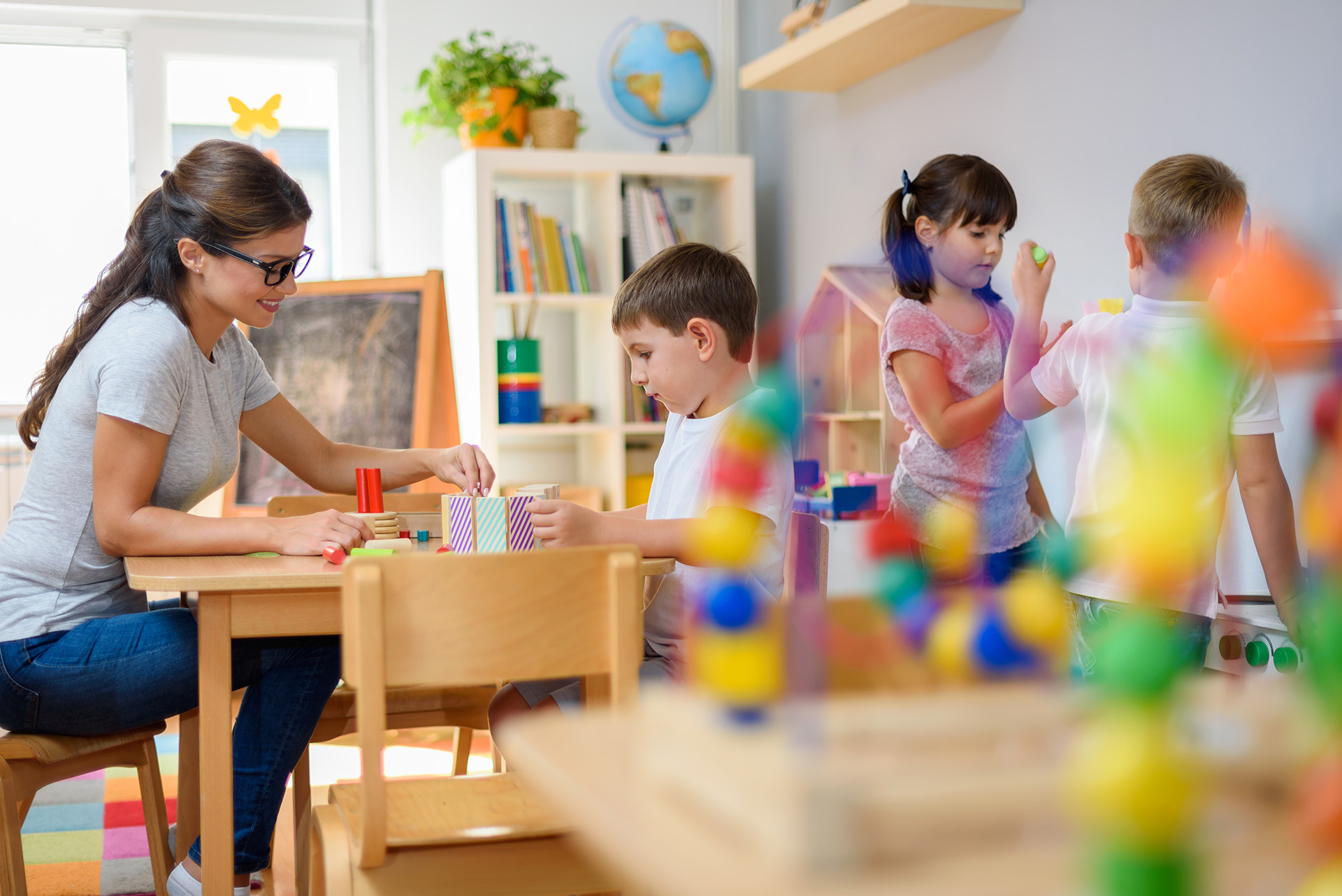
- Play-based, hands-on learning: Young children learn best by doing. Classrooms that invite building, pretend play, sand and water exploration, art, and simple science activities encourage curiosity and persistence.
- Small group and individualized attention: Opportunities for one-on-one interactions allow teachers to support each child’s pace and celebrate early childhood milestones.
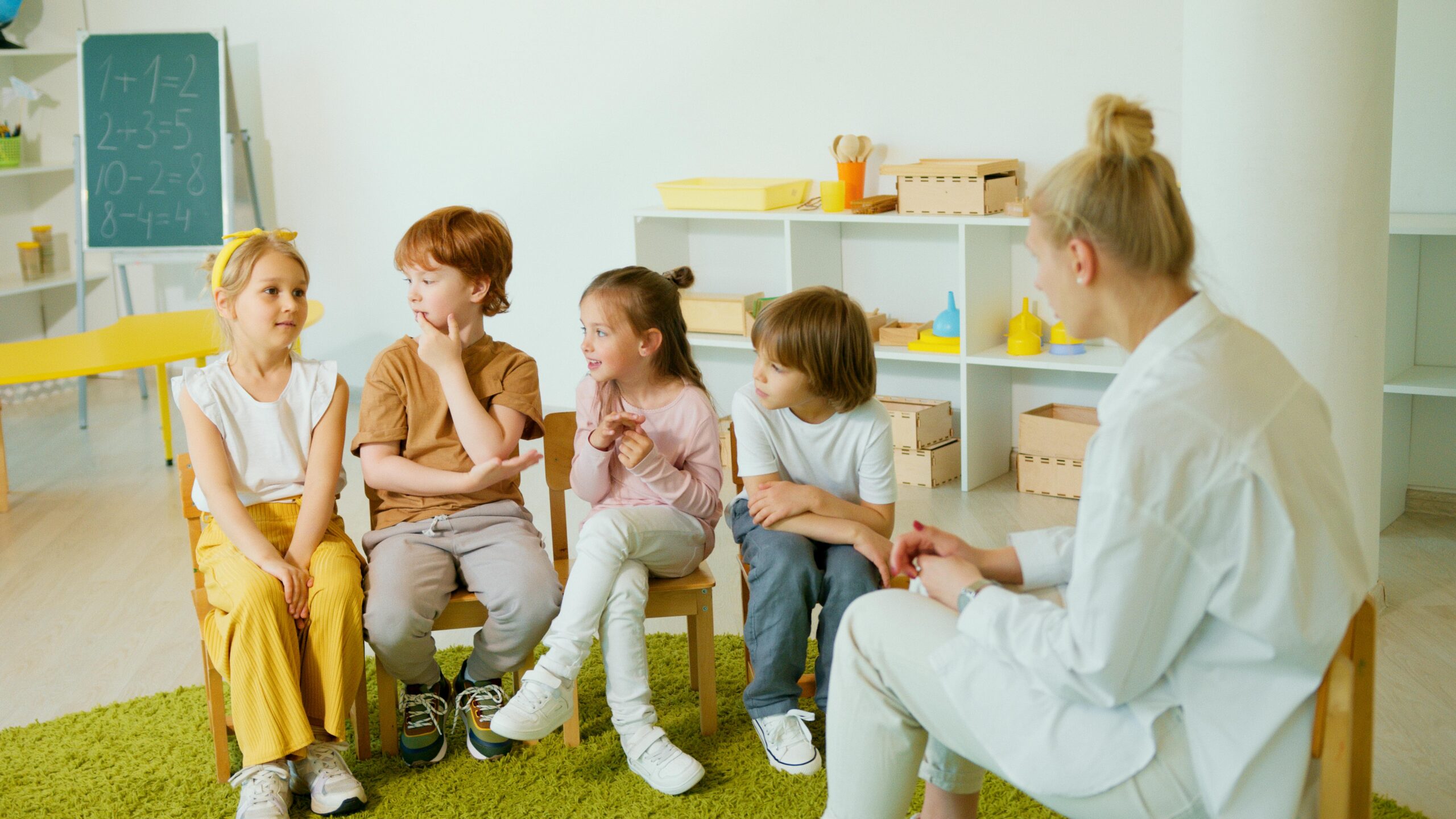
- Social-emotional learning: Conflict resolution, turn-taking, and expressing feelings are all practiced in a warm, guided environment. These lessons are central to building confidence.
- Daily routines that build independence: Predictable routines (snack time, circle time, clean-up) teach responsibility and self-regulation. Teachers who encourage children to zip jackets, pour snacks, and follow simple classroom jobs help foster pride in competence.
- Qualified, caring staff: Educators trained in early childhood development who show warmth and patience create the safe relationships children need to explore and try new things.
- Family communication and partnership: Regular updates, parent-teacher conferences, and resources for supporting development at home strengthen learning continuity.
Understanding early childhood milestones
Early childhood milestones are broad guides that show typical progress in skills like speech, gross motor coordination, and social play. In a strong preschool, teachers observe and celebrate milestones while also recognizing each child’s unique timeline. They provide activities tailored to stretch skills — for example, group storytelling to boost language, obstacle courses for coordination, and cooperative projects for teamwork.
Why local matters: a community-focused approach
Choosing a preschool close to home makes daily life easier and helps children feel grounded in their neighborhood community. In Mission Valley and the greater San Diego area, many families look for programs that combine city convenience with nurturing, nature-inspired learning. Community-focused preschools often partner with local libraries, parks, and cultural centers to enrich the curriculum.
Nese Kids Care: nurturing preschool programs in Mission Valley
Nese Kids Care in Mission Valley, San Diego, offers nurturing preschool programs designed to prepare children for kindergarten through hands-on learning, creativity, and social development. Their classrooms emphasize preschool development milestones for ages 3–5, helping children grow independence, confidence, and a love of learning in a warm, safe environment.
Ready to see it in person?
If you’re exploring preschools and want to learn more about how programs support preschool development and early childhood milestones, schedule a tour at Nese Kids Care. Bring your questions, meet the teachers, and see how a nurturing preschool setting can help your child thrive.