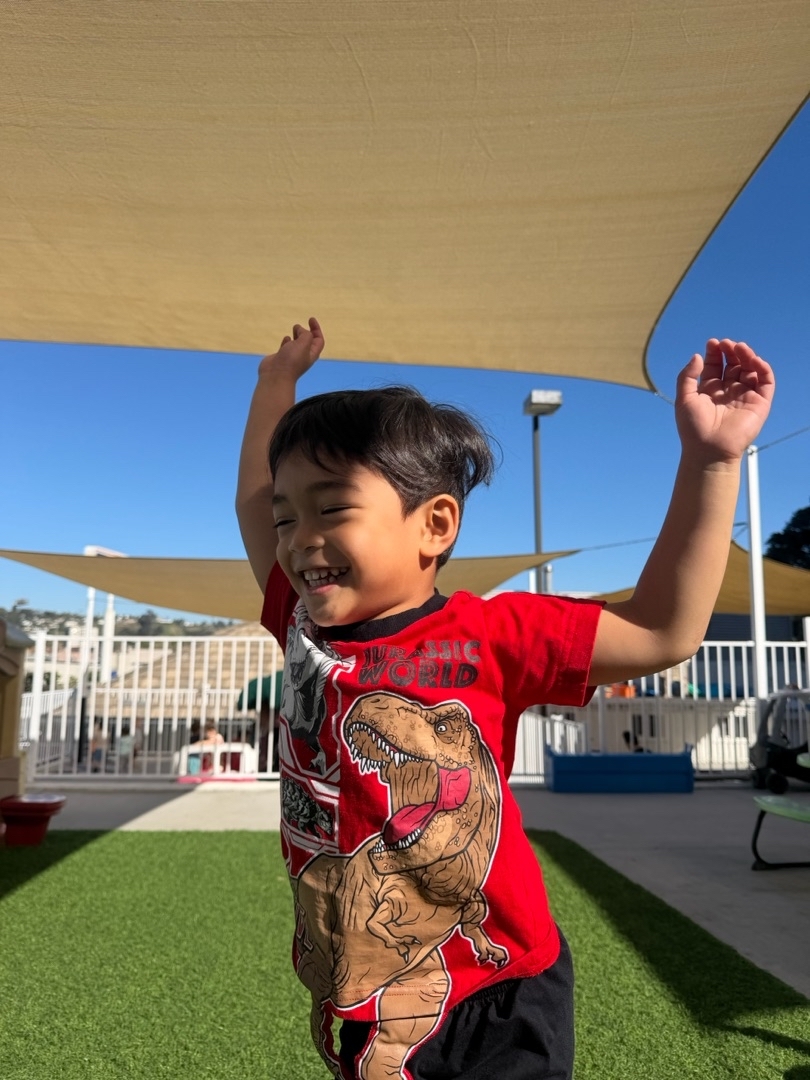
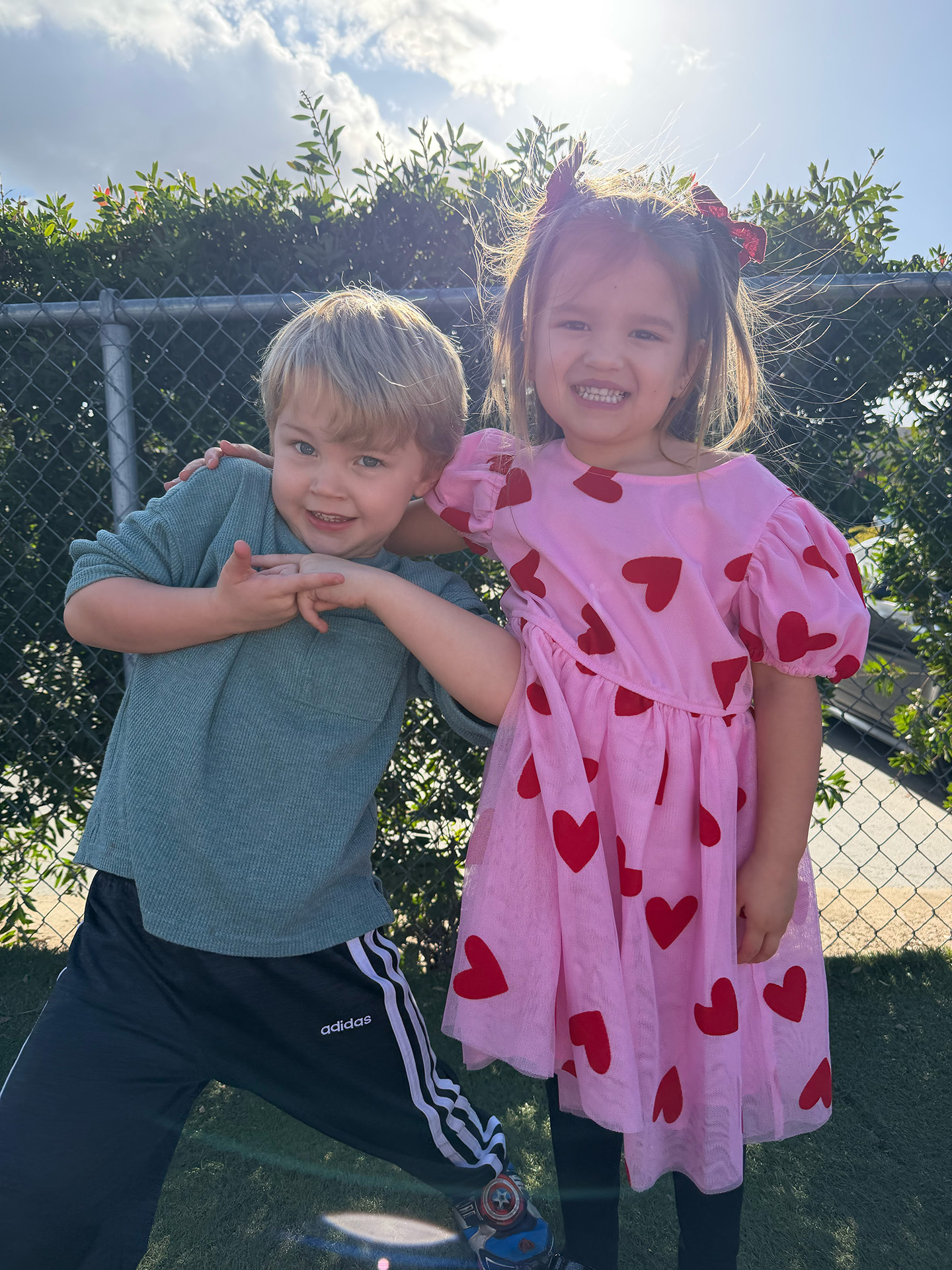
There’s something magical about the preschool years — the way a child’s imagination can turn a cardboard box into a spaceship, how first friendships form on the playground, and the small-but-important moments of growing independence like zipping a coat or pouring a snack. For many families, choosing a preschool program that balances warm care with intentional learning is the key to helping those moments add up to real school readiness.
Why a preschool routine matters
A consistent preschool routine gives young children the predictable structure they need to feel safe and confident. In early childhood education, routines are not just schedules — they’re learning tools. Regular patterns for arrival, circle time, hands-on learning, outdoor play, and quiet rest help children build self-regulation, language skills, and emotional resilience. When kids know what comes next, they can focus their attention on exploration and social connection rather than uncertainty.
What makes a great preschool program
1. Developmentally appropriate structure
A high-quality preschool program blends predictable routines with flexibility for individual needs. Activities should match children’s ages and stages (3–5), with short, focused group times and plenty of movement and play breaks.
2. Hands-on, play-based learning
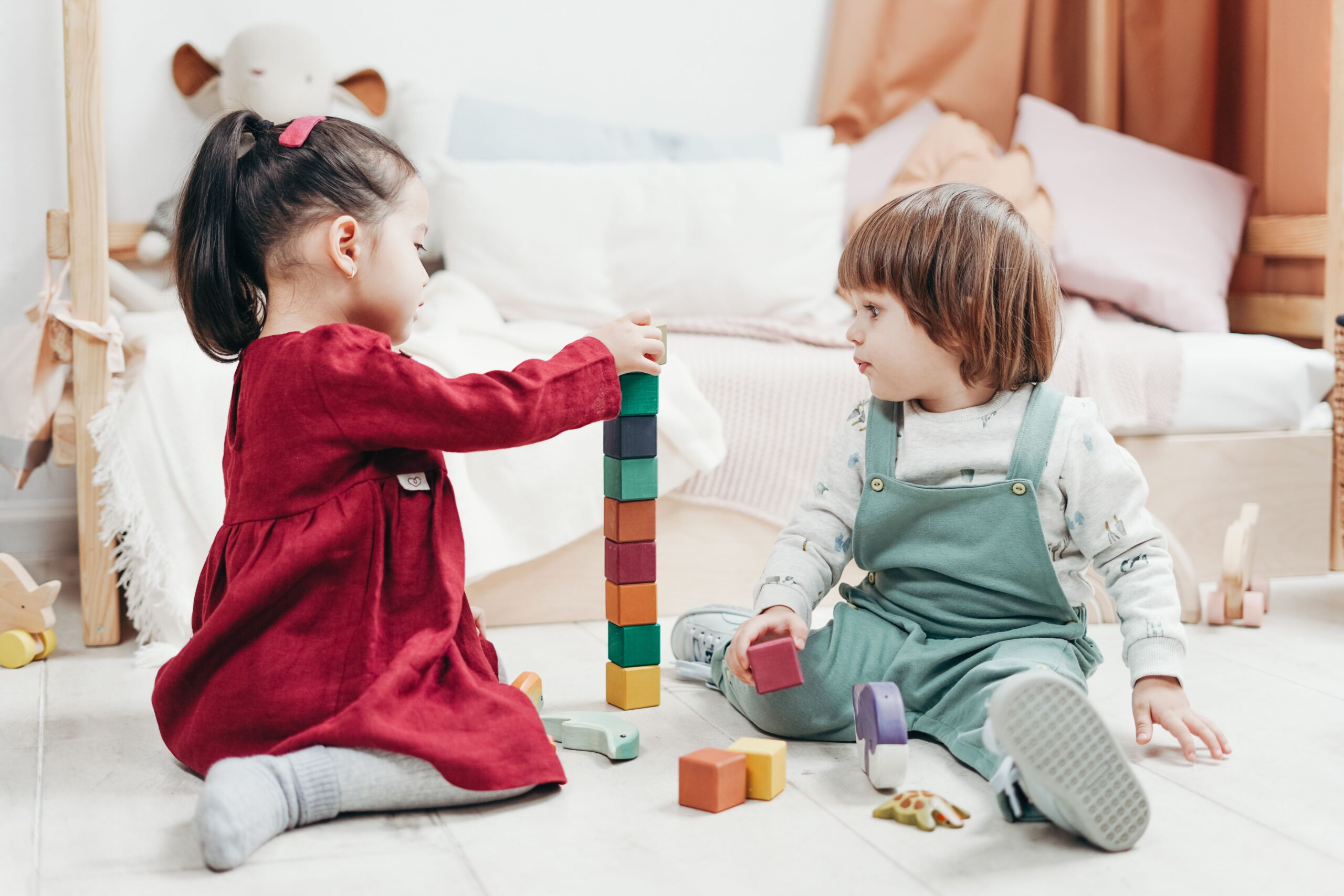
Meaningful early childhood education centers on play: sensory tables, art projects, block building, and simple science experiments that teach problem-solving, creativity, and early math and literacy concepts.
3. Strong social-emotional supports
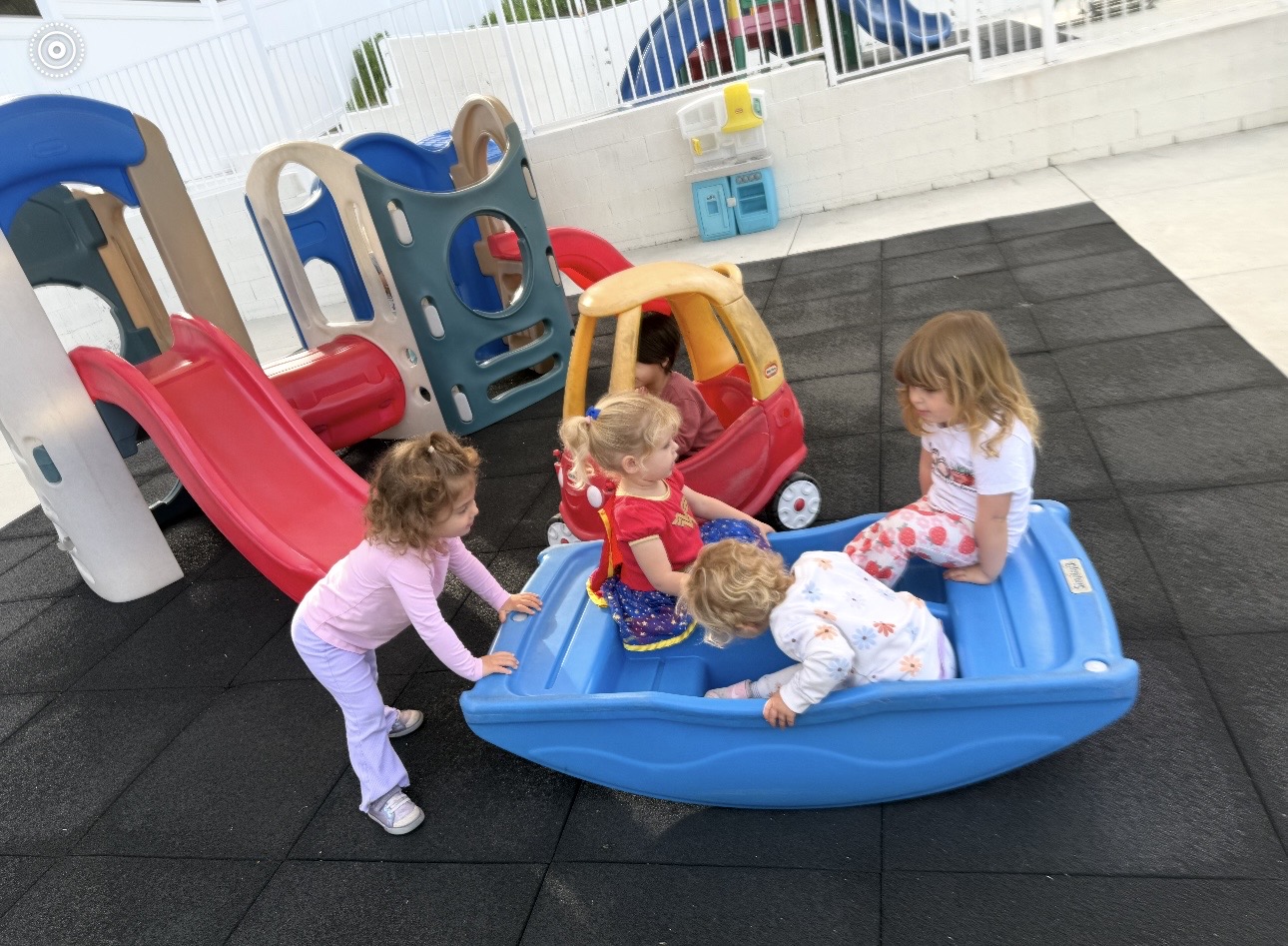
Preschool is where kids learn to share, negotiate, and comfort one another. Teachers who model language for feelings, guide conflict resolution, and encourage peer interactions set the stage for long-term social success.
4. Clear communication with families
A great preschool program keeps families informed about routines, classroom goals, and each child’s progress. Consistent updates, parent-teacher conversations, and easy access to staff build trust and reinforce learning at home.
5. Safe, engaging environment
Clean, well-organized classrooms with accessible materials and a secure outdoor play area encourage independence while keeping safety top of mind. Trained teachers who understand early childhood development make all the difference.
Tips for parents evaluating preschools
- Observe a daily routine: Ask to see a typical day so you can notice transitions, teacher-child interactions, and how downtime is handled.
- Look for intentional transitions: Smooth, predictable transitions (song cues, visual timers) reduce stress and keep learning momentum.
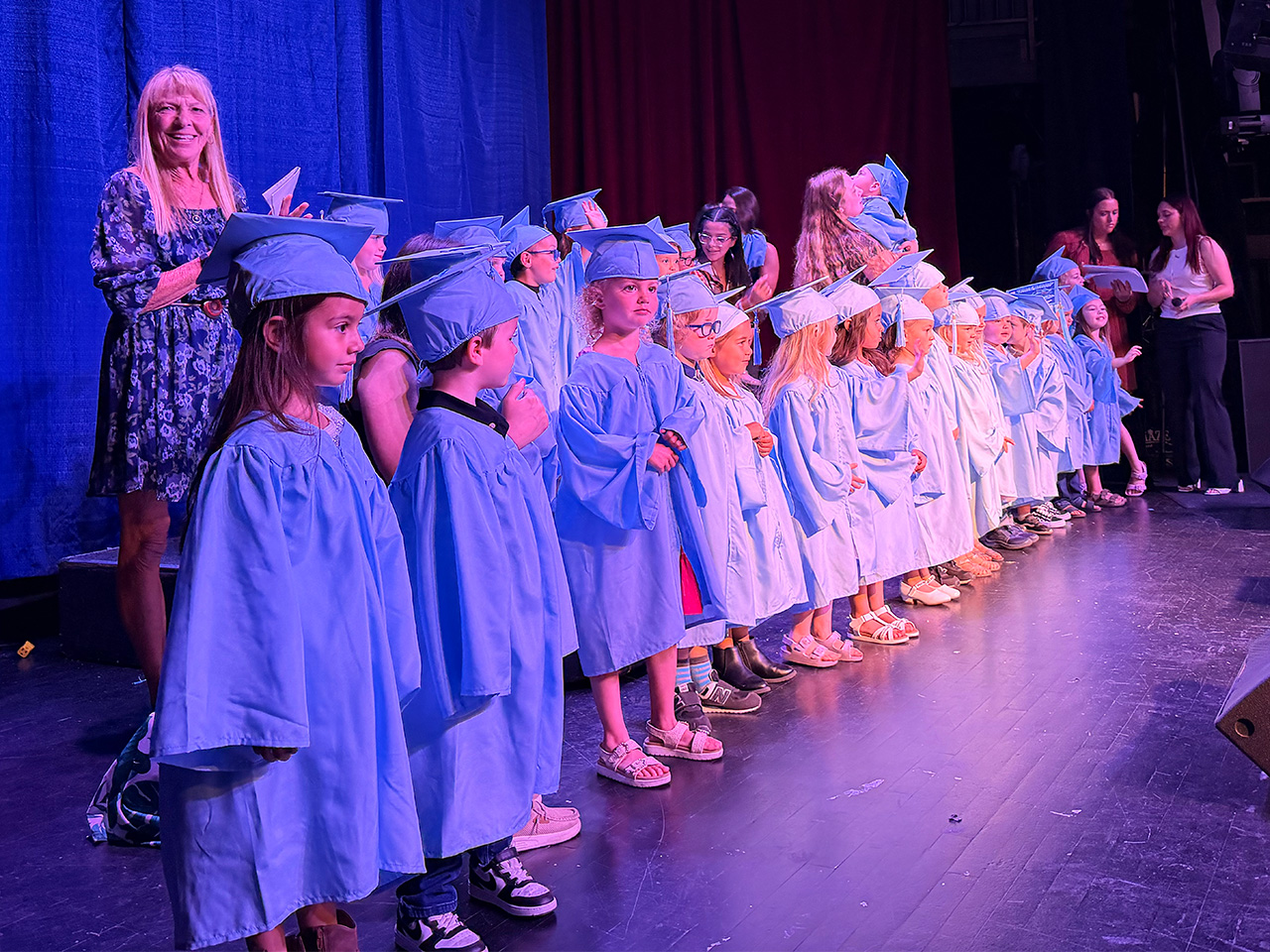
- Ask about assessment and readiness goals: Quality preschools use simple, respectful observations to tailor learning and to prepare children for kindergarten.
- Consider teacher qualifications and ratios: Smaller groups and trained early childhood educators support deeper connections and more individualized attention.
Nese Kids Care in Mission Valley
If you’re in San Diego and searching for a preschool program that balances nurturing care with structured routines, Nese Kids Care in Mission Valley offers preschool and daycare programs designed to prepare children for kindergarten through hands-on learning, creativity, and social development. Their focus on consistent preschool routines helps children feel secure and ready to learn each day.
Ready to see a program in action?
If you’d like to learn how a thoughtful preschool routine can support your child’s success, schedule a tour or contact Nese Kids Care in Mission Valley, San Diego. A visit is the best way to experience how structure, play, and caring teachers come together to prepare children for kindergarten — and beyond.